Qube - Logo

Electricity Billing for Commercial Properties & Spaces

Simplify tenant-wise electricity billing across offices and retail spaces with smart energy meters. Track individual consumption, separate HVAC and DG charges, and consolidate billing records for your accounts team in one platform.

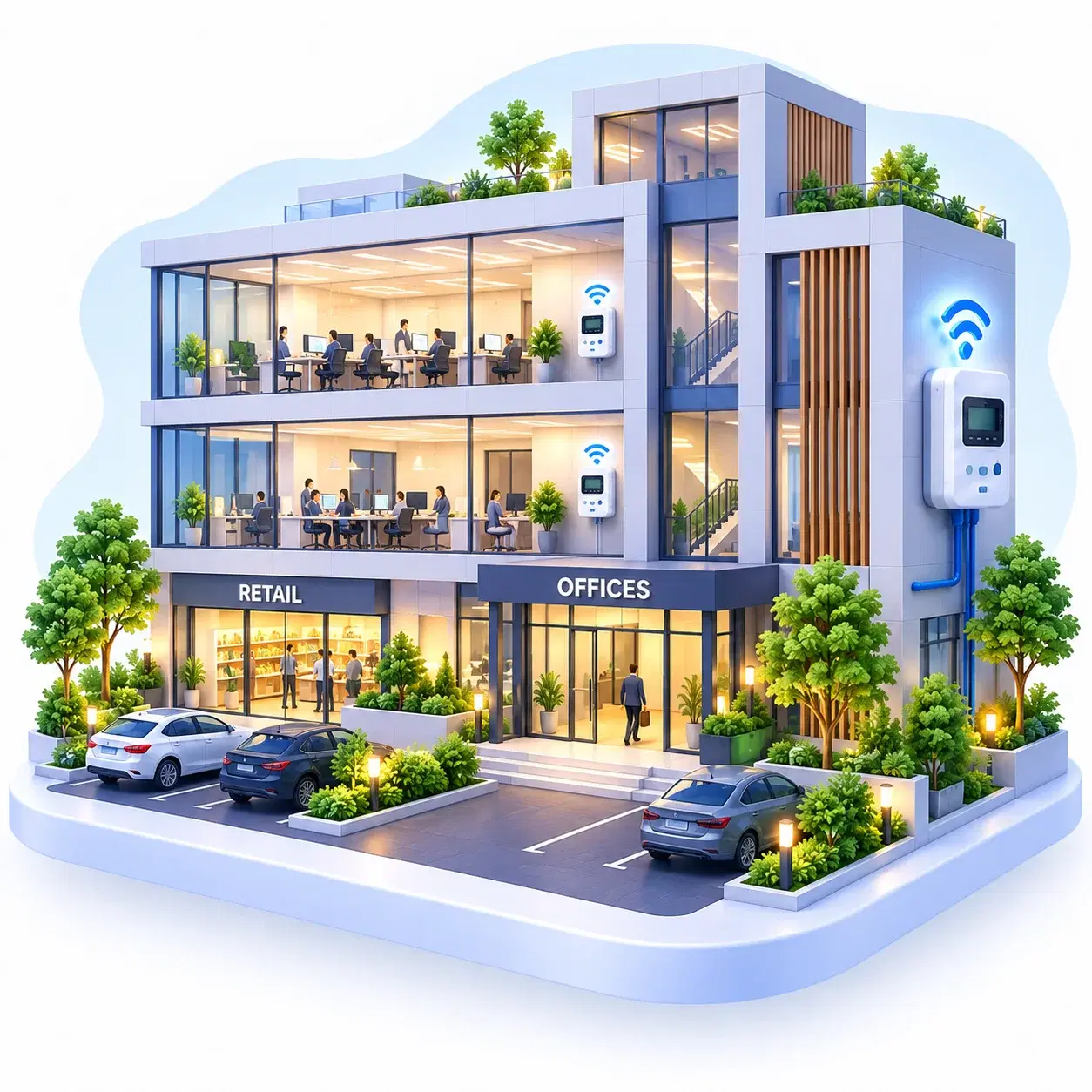
Commercial building with Qube submeters for offices and shops

The usual problems

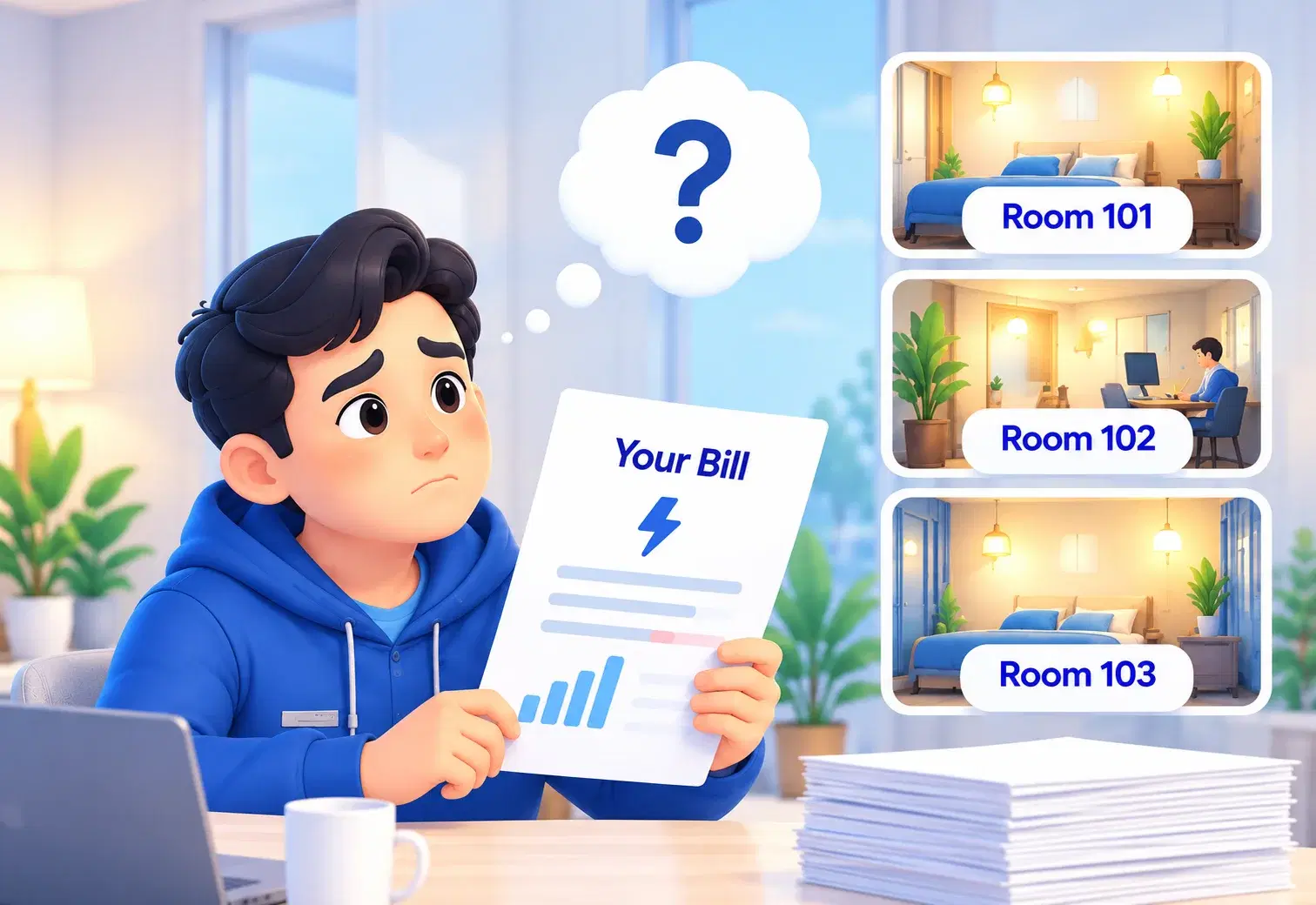
Where commercial electricity billing breaks

Square-foot splits hide who actually ran the AC, the lift, and the generator.

  • No Tenant-Wise Electricity Billing

    No Tenant-Wise Electricity Billing

    Different usage patterns make accurate electricity billing difficult without individual tenant metering.

  • Unclear Common Area Electricity Charges

    Unclear Common Area Electricity Charges

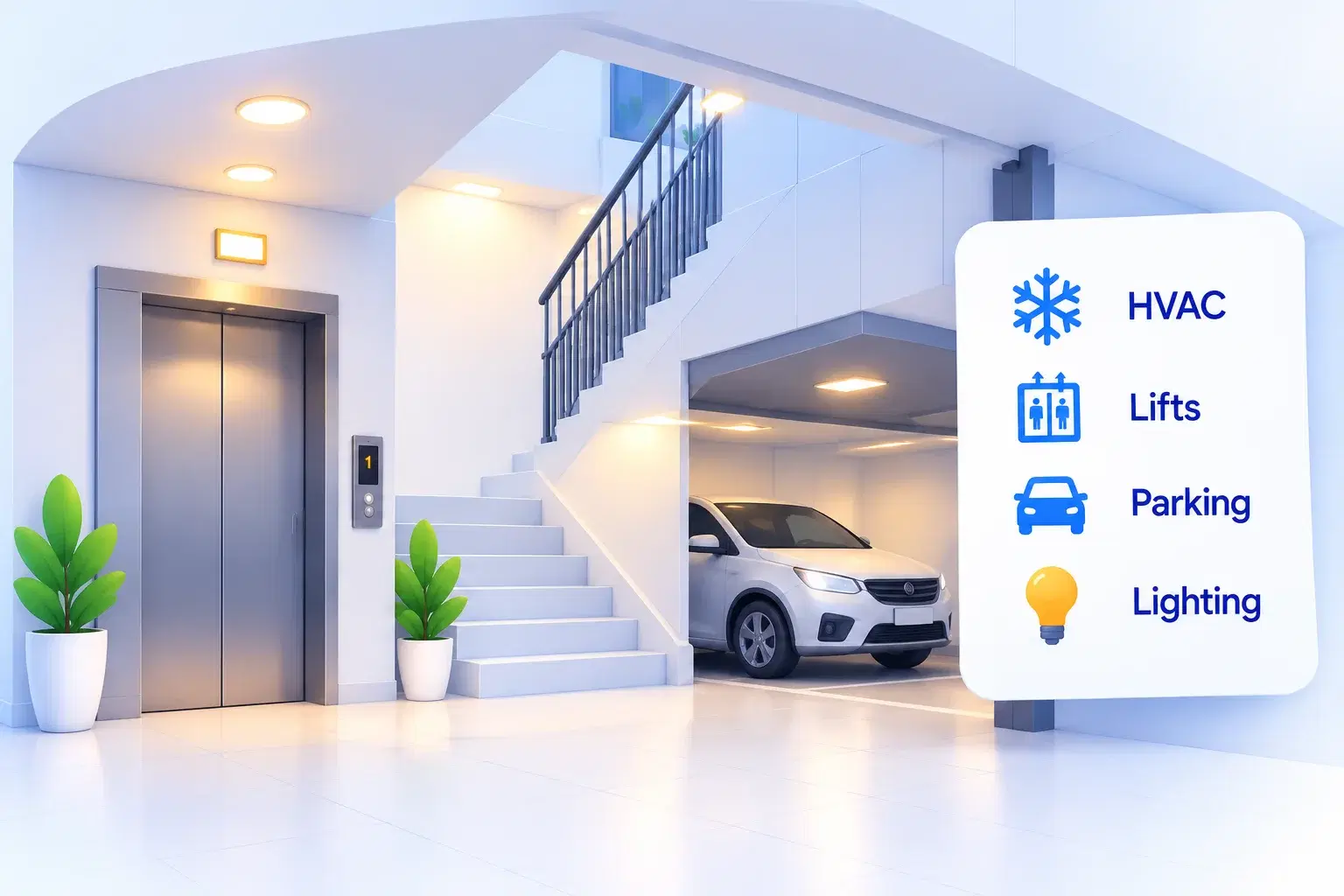
    Lifts, HVAC and parking add shared electricity costs that are difficult to explain without clear records.

  • Delayed DG Electricity Billing

    Delayed DG Electricity Billing

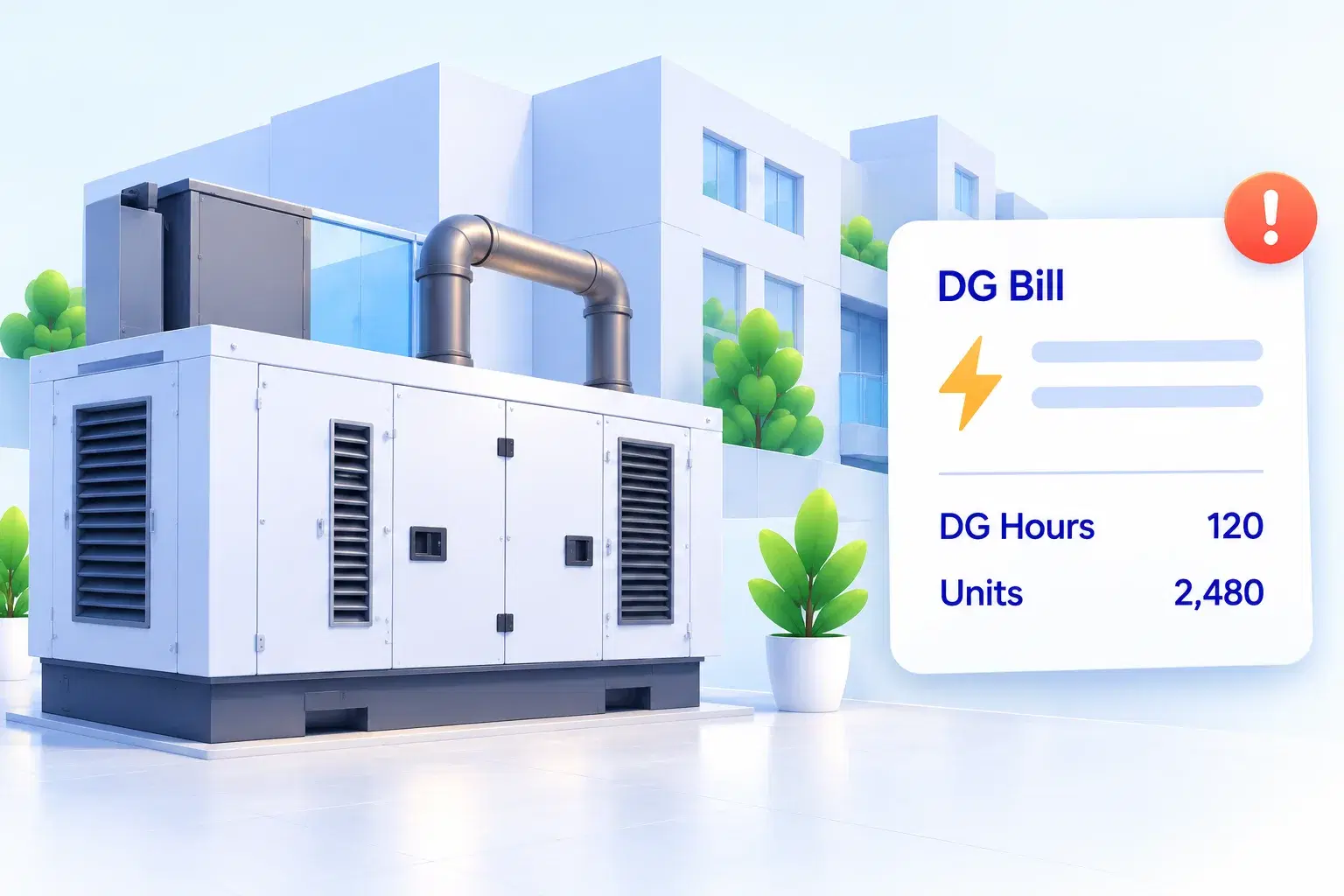
    Separate generator records and meter readings delay DG charge calculations and tenant billing.

  • Unfair CAM Electricity Cost Allocation

    Unfair CAM Electricity Cost Allocation

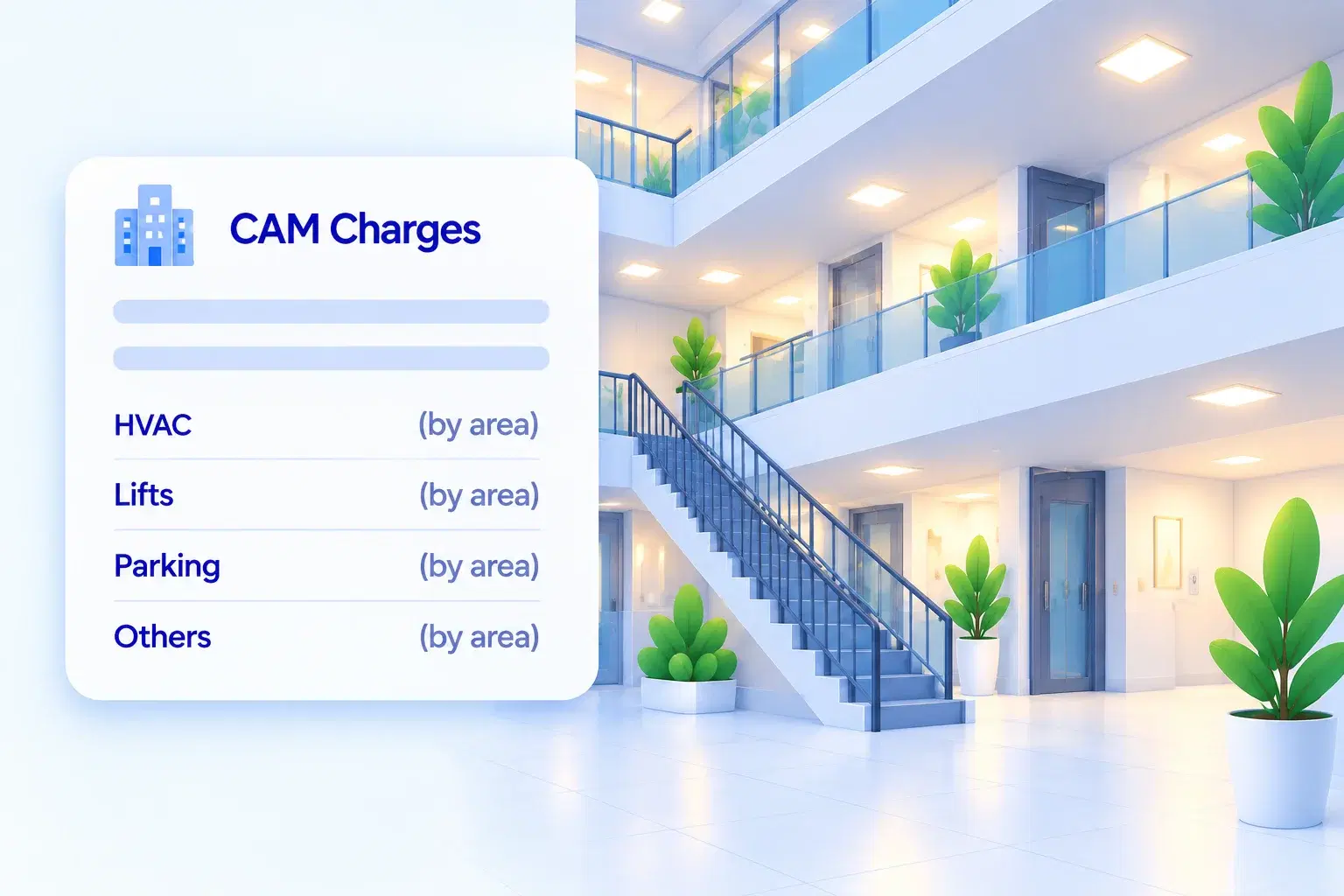
    Splitting common area electricity by square footage may not reflect actual usage or agreed cost-sharing rules.

  • Manual Electricity Bill Reconciliation

    Manual Electricity Bill Reconciliation

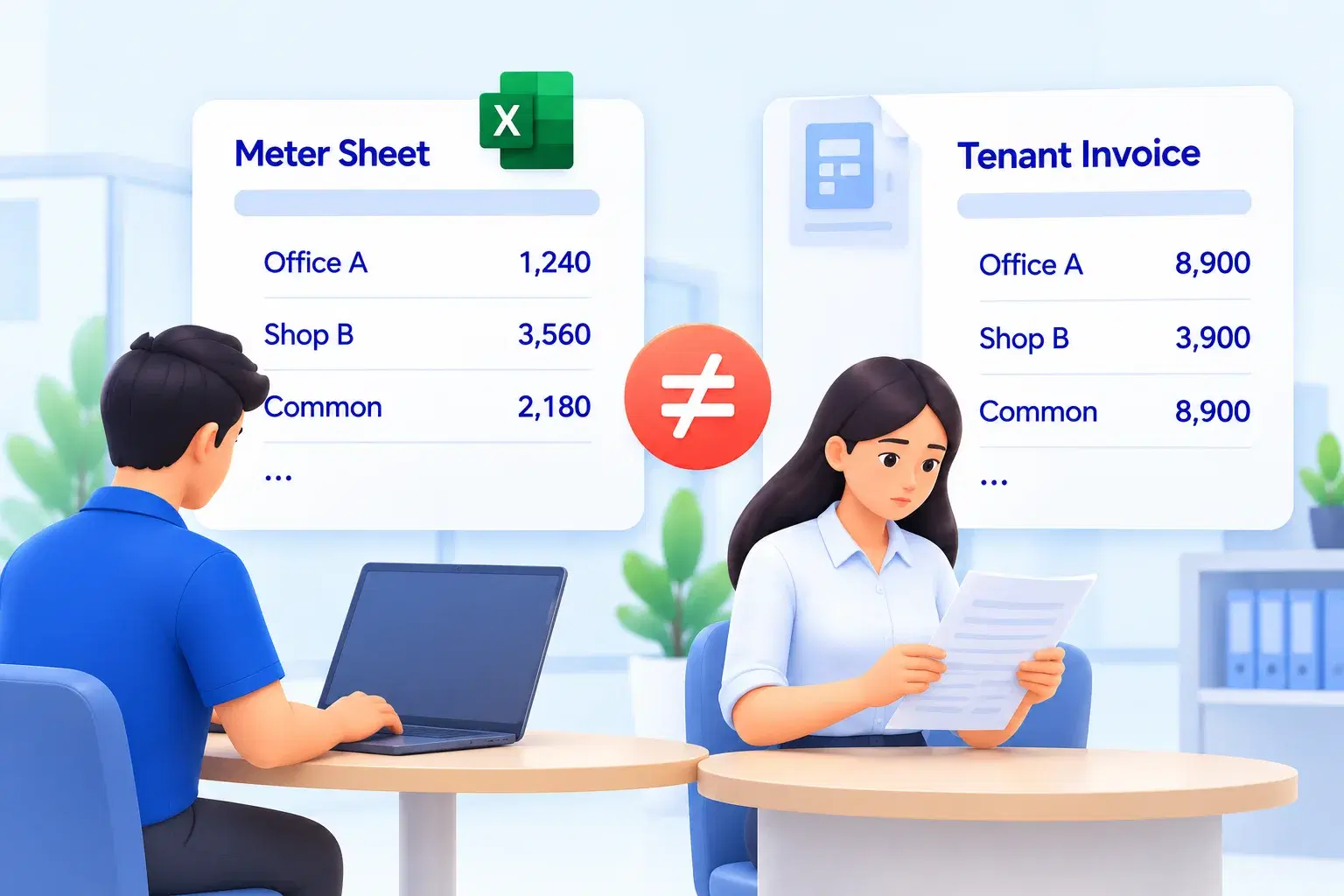
    Reconciling meter readings, tenant records and invoices across separate files slows monthly billing.

  • One Rate for Different Usage Patterns

    One Rate for Different Usage Patterns

    Different operating hours and consumption patterns can make uniform billing assumptions unfair to tenants.

Challenges

Commercial electricity billing involves multiple cost centres

Property teams track tenant consumption, accounts teams reconcile charges, and businesses need transparent electricity bills.

Property team

Commercial Electricity Costs Are Hard to Allocate

Offices, shops, HVAC, lifts, and parking share utility costs, while area-based allocations may not reflect actual consumption or agreed billing rules.

  • CAM Costs Split by Area, Not Usage

    Square-foot allocation may not reflect actual common-area electricity consumption.

  • Shared HVAC and Lifts Lack Clear Readings

    Unmetered shared facilities make electricity cost allocation harder to explain.

  • Property Records and Meter Data Disagree

    Different records for usage and tenant billing slow monthly reconciliation.
Accounts

Commercial Electricity Reconciliation Takes Too Long

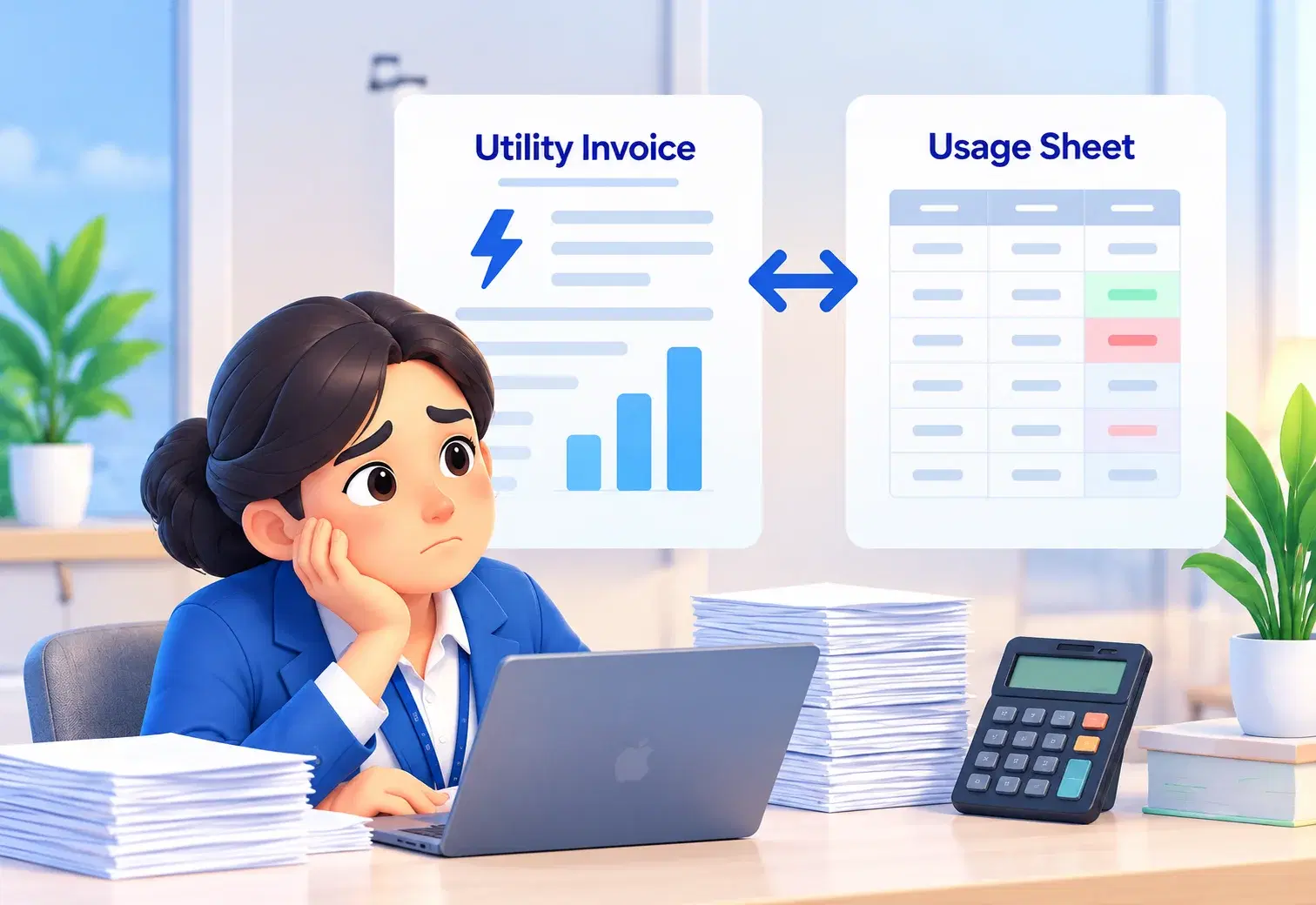
Meter readings, generator records, and tenant invoices sit in separate files, making monthly electricity billing and reconciliation time-consuming.

  • DG Charges Arrive After Billing Disputes

    Delayed generator records make tenant electricity invoices harder to verify.

  • Different Tenant Schedules Share One Rate

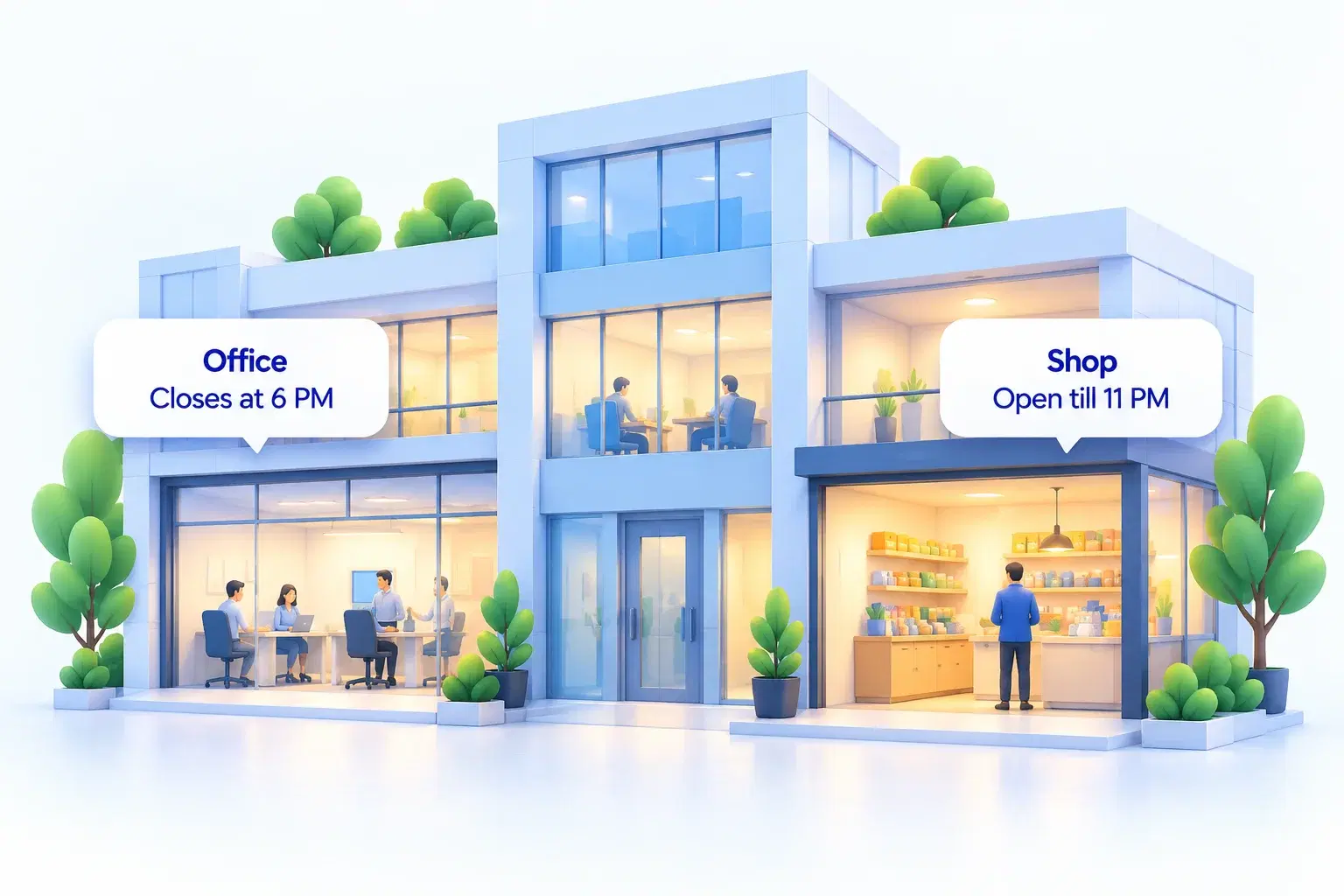
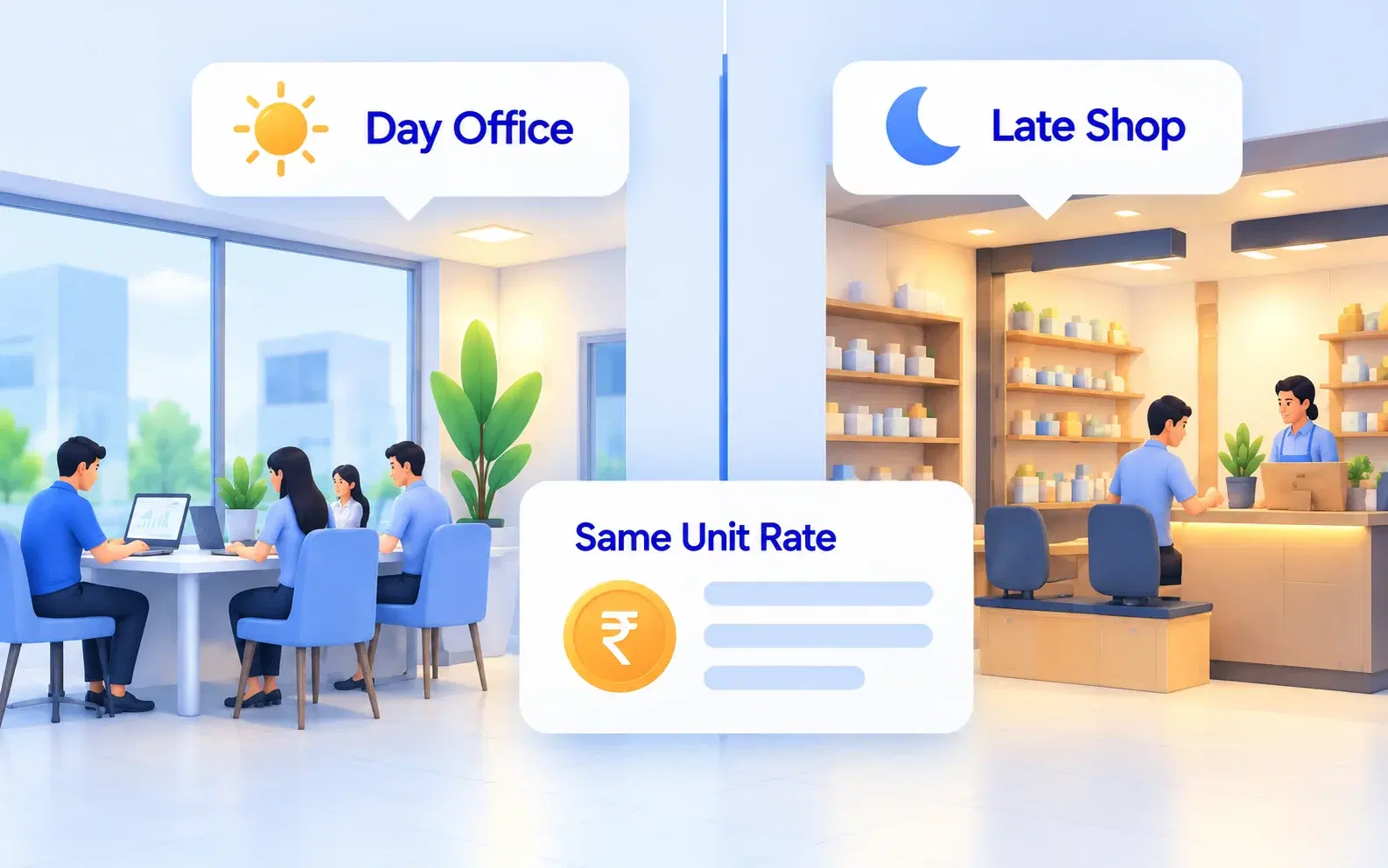
    Daytime offices and late-closing shops may be billed using the same assumptions.

  • Monthly Closing Depends on Spreadsheets

    Accounts teams manually combine meter readings and invoices before closing the month.

Tenants

Commercial Electricity Bills Lack Transparency

Office and retail tenants need clear consumption readings and transparent shared-cost breakdowns to verify electricity charges and resolve billing disputes.

  • Electricity Rates Ignore Tenant Schedules

    Different operating hours may be billed using the same assumptions for every tenant.

  • Common Area Charges Lack a Clear Split

    HVAC, lifts, and parking costs appear without an easy-to-check breakdown.

  • DG Charges Are Difficult to Verify

    Generator-related charges may arrive late or lack clear supporting records.

The ideal run

How Commercial Properties's Electricity Billing Should Work?

A clear process to track tenant-wise consumption, allocate shared electricity costs, and reconcile meter readings with invoices.

  1. 1

    Measure Tenant-Wise & Shared Electricity Usage

    Track each tenant’s consumption separately from HVAC, lifts, and other shared loads to avoid relying on estimated usage or area-based allocations alone.

  2. 2

    Reconcile Electricity Readings With Invoices

    Keep meter readings, electricity charges, and DG usage records together so accounts can prepare tenant bills and resolve discrepancies more easily.

  3. 3

    Give Tenants Transparent Electricity Bills

    Show tenant-wise consumption alongside applicable shared-area and DG charges, helping businesses verify their bills against actual meter readings.

What Should You Do?

Make Office and Shop Electricity Billing Fairer With Qube

Splitting electricity costs by floor area can leave tenants questioning their bills. Qube lets you meter each office or shop separately and keep HVAC, lifts, and DG usage on separate readings, giving accounts a clearer basis for billing.

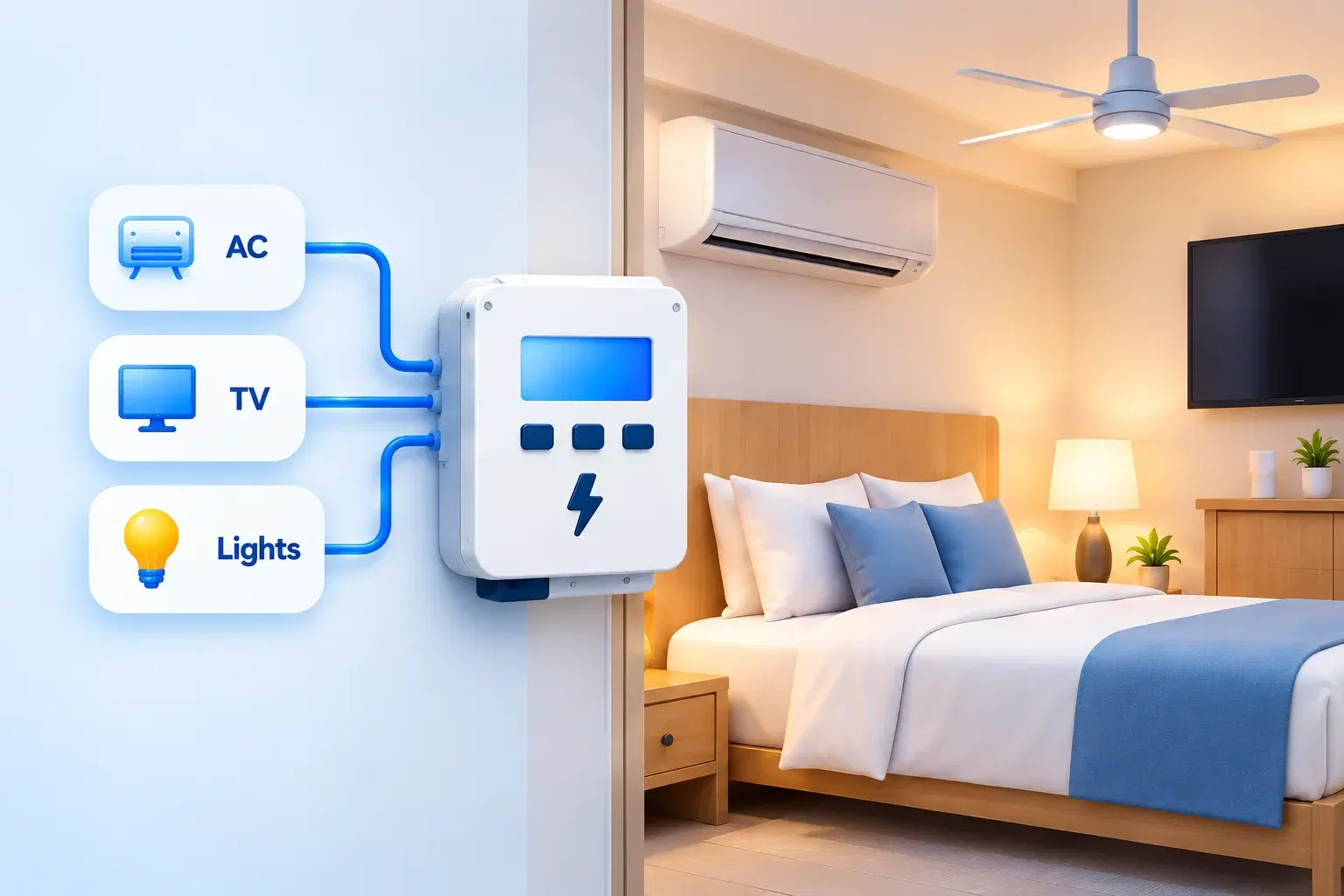
  • A meter connected to a room, an air conditioner, and a light

    Put Smart Submeters On Each Rental & Shared Spaces

    Know how much electricity each room or space uses. Keep tenant consumption separate from common areas instead of splitting one utility bill.

  • Prepaid and postpaid billing on a phone and a bill

    Choose Relevant Billing Mode, Prepaid Or Postpaid

    Let tenants recharge before using electricity, or bill long-stay residents and departments later. Run both billing methods on the same platform.

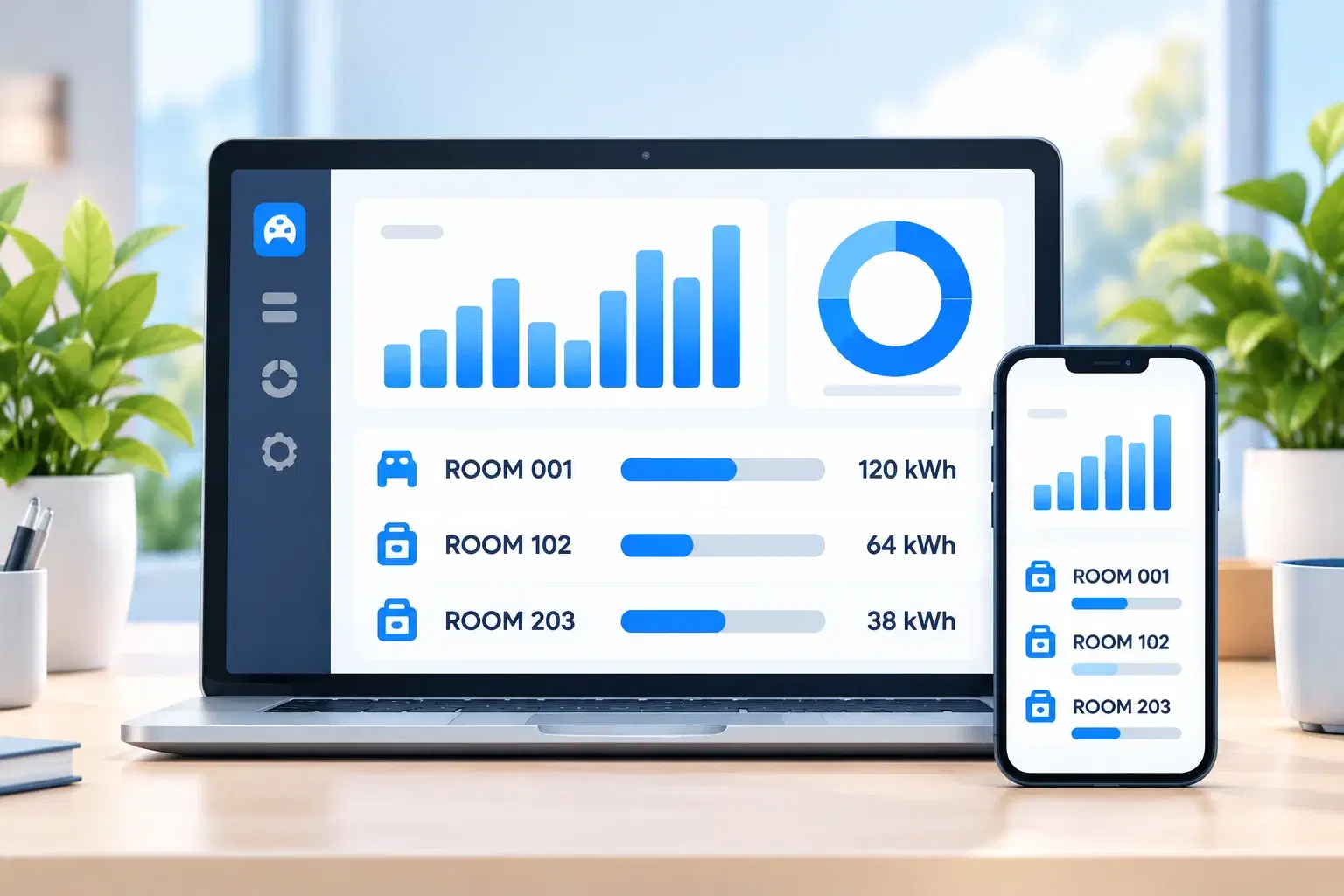
  • Usage charts on a laptop and a phone

    Manage Readings, Recharges, Balances, And Usage Records in One Place

    See electricity usage, outstanding balances, and collections on one dashboard. Spend less time updating spreadsheets and reconciling records.

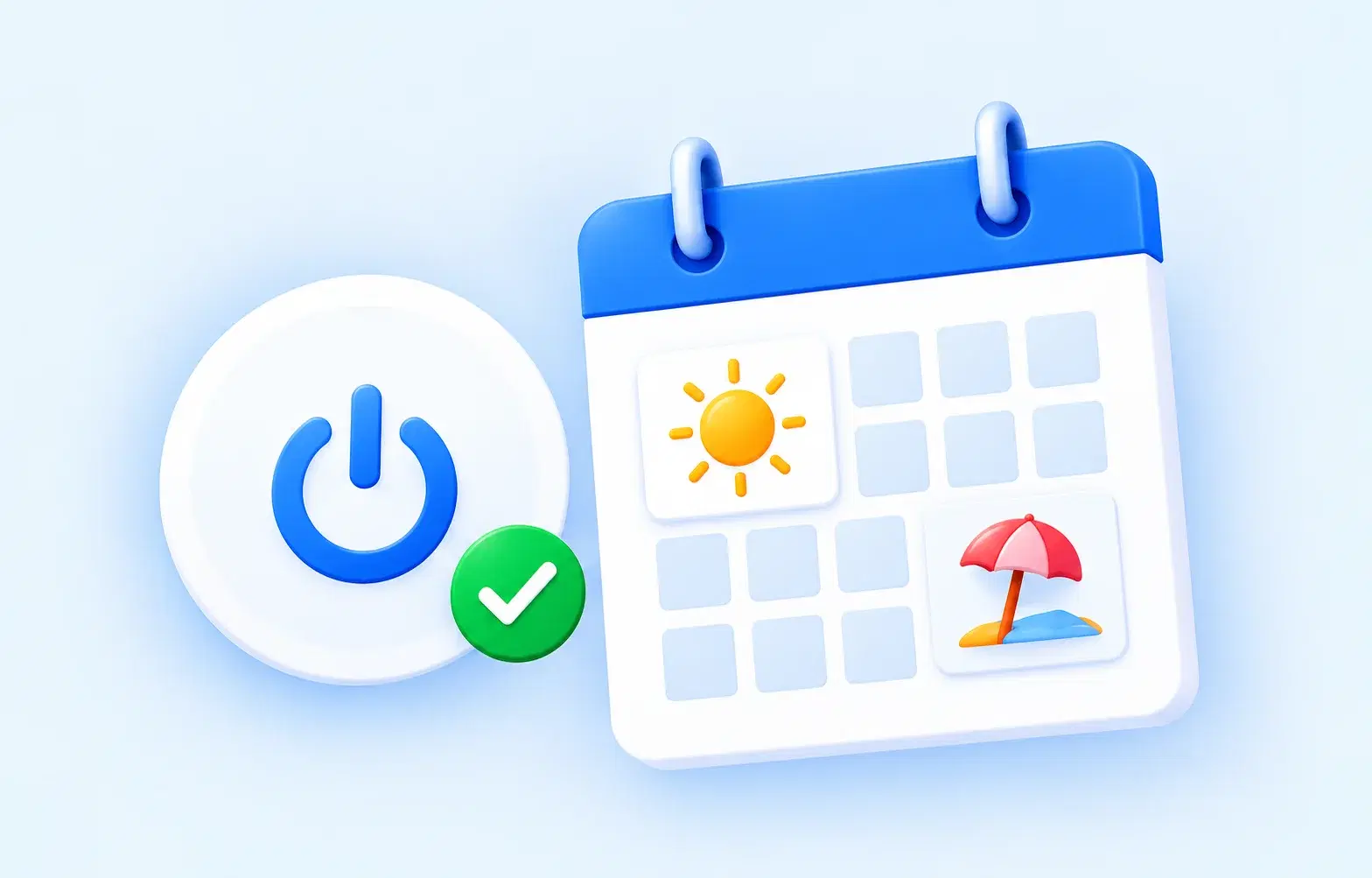
  • Power staying on at night, on weekends, and on holidays

    Keep Power On During Nights, Weekends, And Holidays

    Set Happy Hours, Happy Days, and Happy Weeks to prevent automatic power cut-offs during selected nights, weekends, and holidays—even when the balance is low.

  • A recharge that still collects the balance on the meter

    Record Every Electricity Unit, Even When Payment Is Pending

    Scheduled grace periods do not wipe out electricity dues. Usage remains recorded, and outstanding amounts can be collected through the next recharge.

  • The owner, the desk, and the tenant seeing the same usage & recharge records

    Give Everyone the Same View of Electricity Usage & Recharges Transparently

    Owners, property staff, and tenants can refer to the same usage records. Fewer spreadsheets, fewer conflicting numbers, and clearer billing discussions.

  1. 01

    Meter each office, shop, or floor to track electricity consumption separately

  2. 02

    Separate common-area, lift, HVAC, and DG electricity costs for clearer billing

  3. 03

    Track tenant-wise readings, outstanding bills, and collections from one dashboard

And many more

Other features for commercial electricity billing

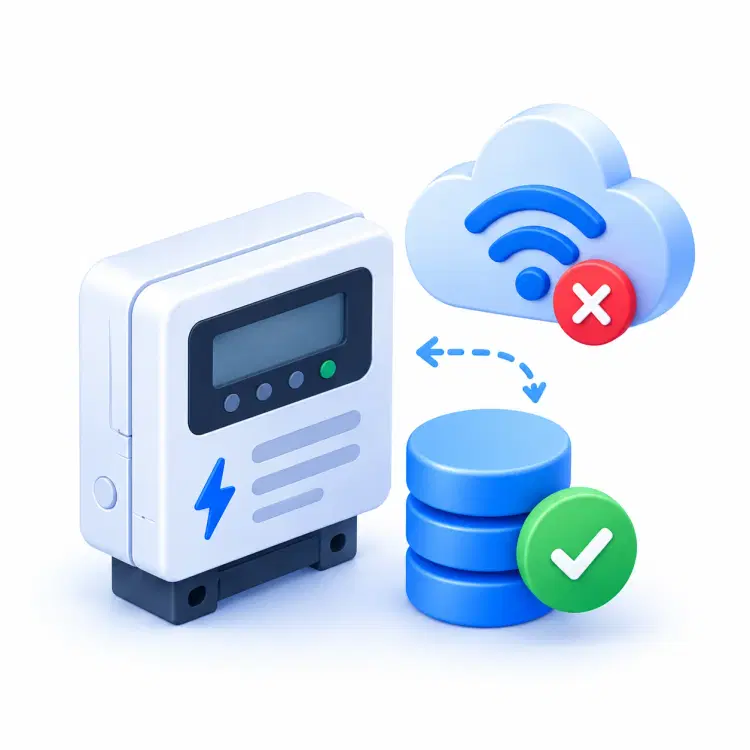
  • Office electricity billing continues if WiFi drops

    On-device billing keeps the tenant account going without internet, and cuts power at zero balance.

  • An alert when a shop uses more electricity

    Recharges, a low balance, and abnormal use show up for the office or shop that is still open.

  • The tenant sees this month’s electricity use

    Balance forecast uses that tenant’s pattern, so the invoice is not the first time they see the units.

  • Share the reading when they query it

    Send that office’s usage and history with a link, instead of rebuilding the invoice on a call.

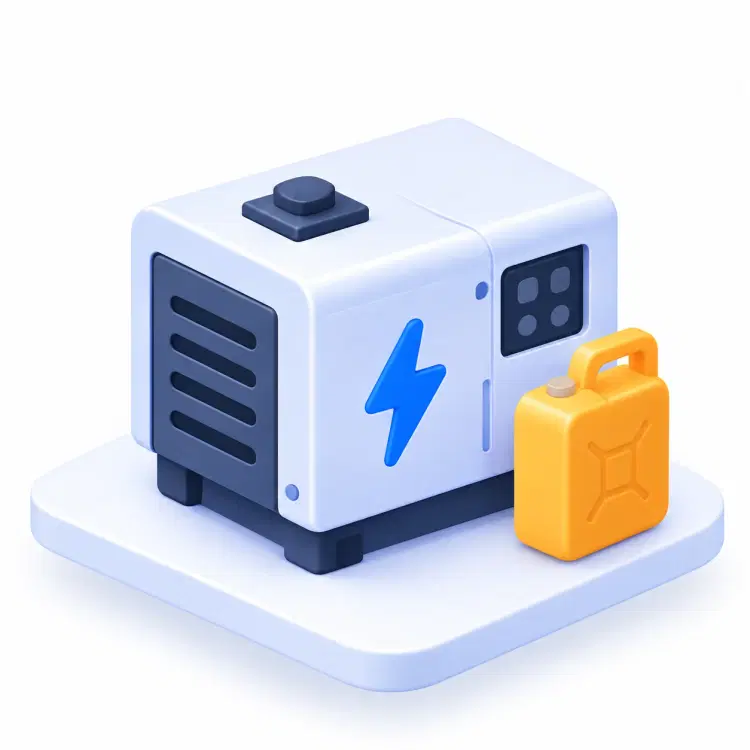
  • Generator electricity has a higher rate

    Diesel can take a higher tariff than grid power, so the building recovers the extra cost.

  • HVAC and lifts come off as a set charge

    A predefined common-area charge deducts from each meter, instead of a square-foot split.

  • Electricity readings stay saved if WiFi drops

    Hourly usage stays on the meter and syncs when the building network is back.

  • Accounts can take the numbers

    Usage and collections are available through the API, so the property system does not keep a second file.

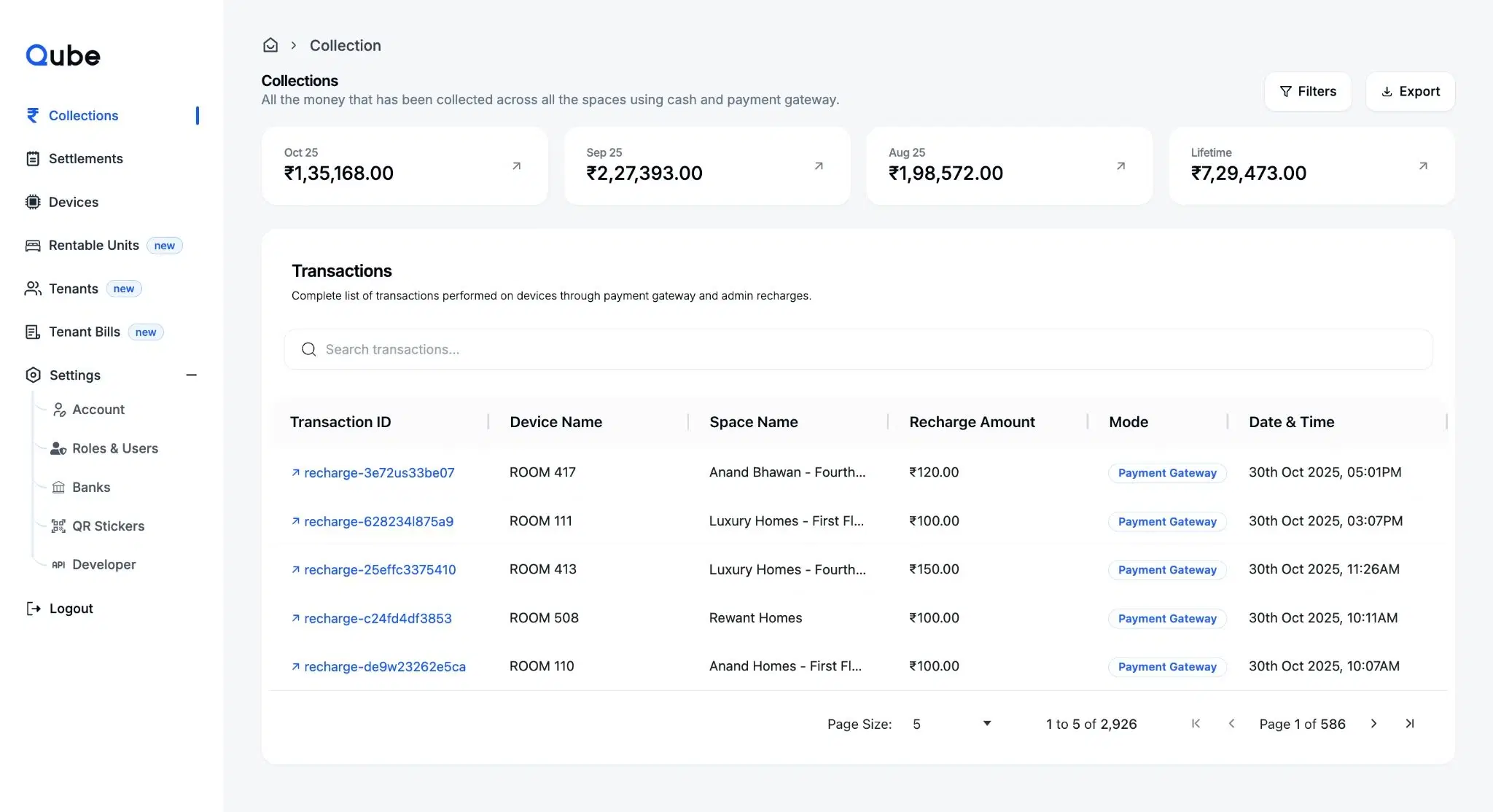
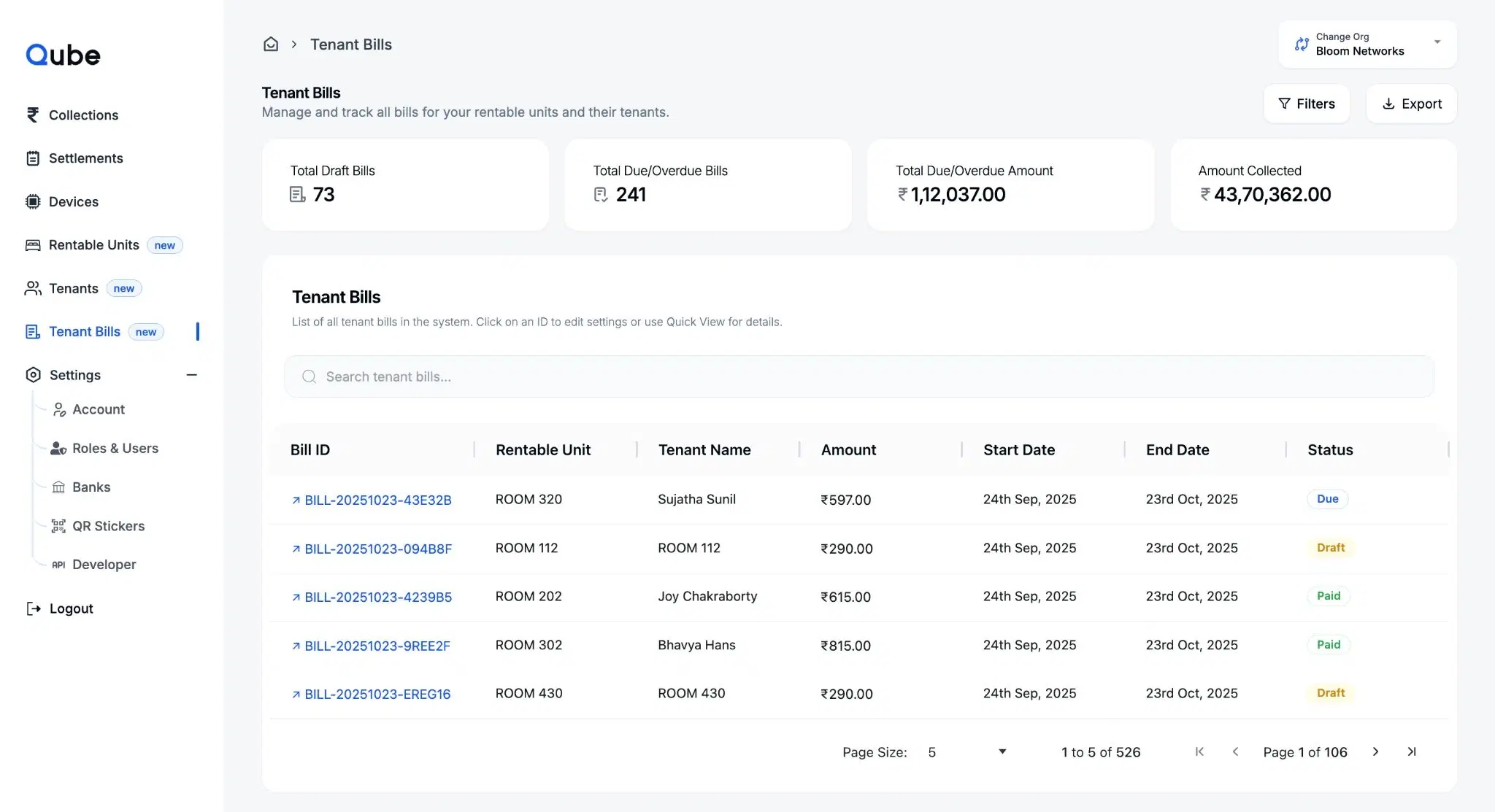
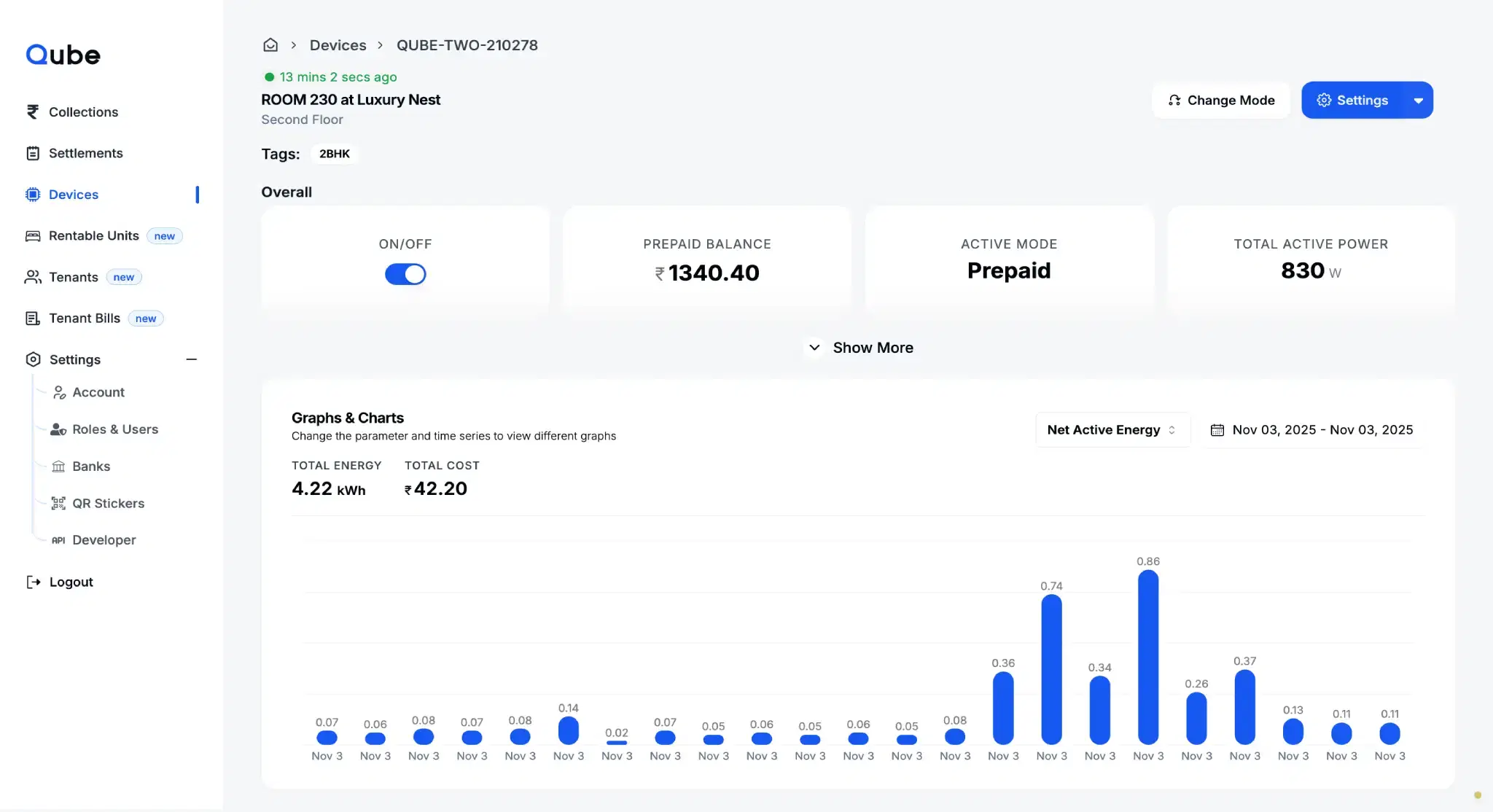
Qube dashboard showing collections, meters, and bills

Galaxy Tech Park cut billing time by 85%

Galaxy Tech Park used Qube across 42 offices in three towers in Bengaluru. The published case study covers automated DG tariffs, common-area allocation, and an 85% cut in billing time.

Trusted by 500+ brands across the country — and counting.

CozyDorm
Housr
Kots
Parul University
FF21
Yoliv
Covie
LOCL & Colive
Settl
Stanza Living
True Living
AES Educational Society
Aliens Group
Panitek
Sweven
Inner Space

Learn more

Frequently asked questions

Can't find the right answer here? Visit our FAQ

Can each office or shop get its own bill?

Yes, if that tenant has a Qube meter on their circuit. Common HVAC, lifts, and generator supply can sit on separate meters so they are not folded into the tenant’s units.

Do commercial tenants have to use prepaid?

No. Long leases often stay postpaid with a live reading. Short-stay retail or coworking desks can recharge on QR. Both can run in one building.

How is generator power billed?

Set a DG tariff apart from the grid tariff. Galaxy Tech Park’s published rollout used that split so office tenants were not billed one blended rate.

Will this work with our building software?

Start with the Qube dashboard. If meter data needs to land in an existing BMS or property system, talk to sales on WhatsApp.

Which submeter fits my building?

Start at the meter matcher. It asks how you bill and how power reaches the building, then names the meter. Most people finish in about two minutes.

Do I need a large order to test Qube?

Start with 1, 2, or 3 meters from our store and test Qube on a real circuit. Your platform fee is waived for the first 45 days, so you can experience the platform, track actual results, and see the impact before scaling.Need more meters? Talk to our sales team for bulk orders and volume-based pricing.

Get rid of manually recording & collecting electricity bills of your rental space.

Switch to Qube's Smart, Effortless & Automated Electricity Billing System

Ideal for PGs, hostels, educational institutions, offices, societies, and businesses of any size.

Buy Now